

Understanding and Exceeding Employer Expectations: Your Blueprint for a Thriving Career
In today’s dynamic job market, simply possessing technical skills is no longer a guarantee of career longevity or advancement. Employers across all sectors, from innovative tech startups to established manufacturing giants, are seeking individuals who not only can perform their duties but also consistently demonstrate a deep understanding of what’s expected of them and actively strive to surpass those benchmarks. This proactive approach to aligning with and exceeding employer expectations is not a mystical art; it’s a learned and honed skill that forms the bedrock of professional success. For students embarking on their first career steps, educators shaping future professionals, career changers seeking new pathways, technicians honing their craft, and seasoned manufacturing professionals aiming for leadership, grasping this fundamental principle is paramount. This article delves into the multifaceted nature of employer expectations, explores practical strategies for meeting and exceeding them, and illuminates the profound impact this mindset has on career trajectory.
Understanding employer expectations is crucial for both job seekers and organizations aiming to build a strong workforce. For insights on how to effectively cultivate talent and meet these expectations, you can refer to a related article titled “Build the Talent Pipeline” available at TechEd Magazine. This article discusses strategies for developing a skilled talent pool that aligns with the demands of today’s job market.
What Constitutes Employer Expectations?

Employer expectations are the implicit and explicit standards, requirements, and desires that an organization has for its employees. These expectations are not static; they evolve with the company’s goals, industry trends, and economic conditions. Understanding this broad spectrum is the first step towards effectively navigating the professional landscape.
Explicit Expectations: The Job Description and Beyond
Explicit expectations are the clearly defined requirements communicated to employees. The most common example is the job description. This document outlines the core responsibilities, required qualifications, and essential duties of a role. However, explicit expectations extend beyond the initial paperwork. They include:
- Performance Metrics and KPIs: Key Performance Indicators (KPIs) are quantifiable measures used to evaluate an employee’s success in their role. These might include production output, error rates, customer satisfaction scores, project completion times, or sales targets.
- Company Policies and Procedures: These are the written rules and guidelines that govern how a company operates, including ethical conduct, safety protocols, data security, and communication standards. Adherence to these is non-negotiable.
- Specific Project Deliverables and Deadlines: When assigned to a project, employees are expected to deliver specific outcomes within agreed-upon timelines. This requires meticulous planning, execution, and communication.
- Reporting Requirements: Organizations need regular updates on progress, challenges, and outcomes. This involves submitting reports, participating in meetings, and providing clear, concise information to supervisors and stakeholders.
Implicit Expectations: The Unspoken Rules of Professionalism
While explicit expectations are documented, implicit expectations are often learned through observation, experience, and company culture. They are the unwritten rules that contribute to a positive and productive work environment. These often include:
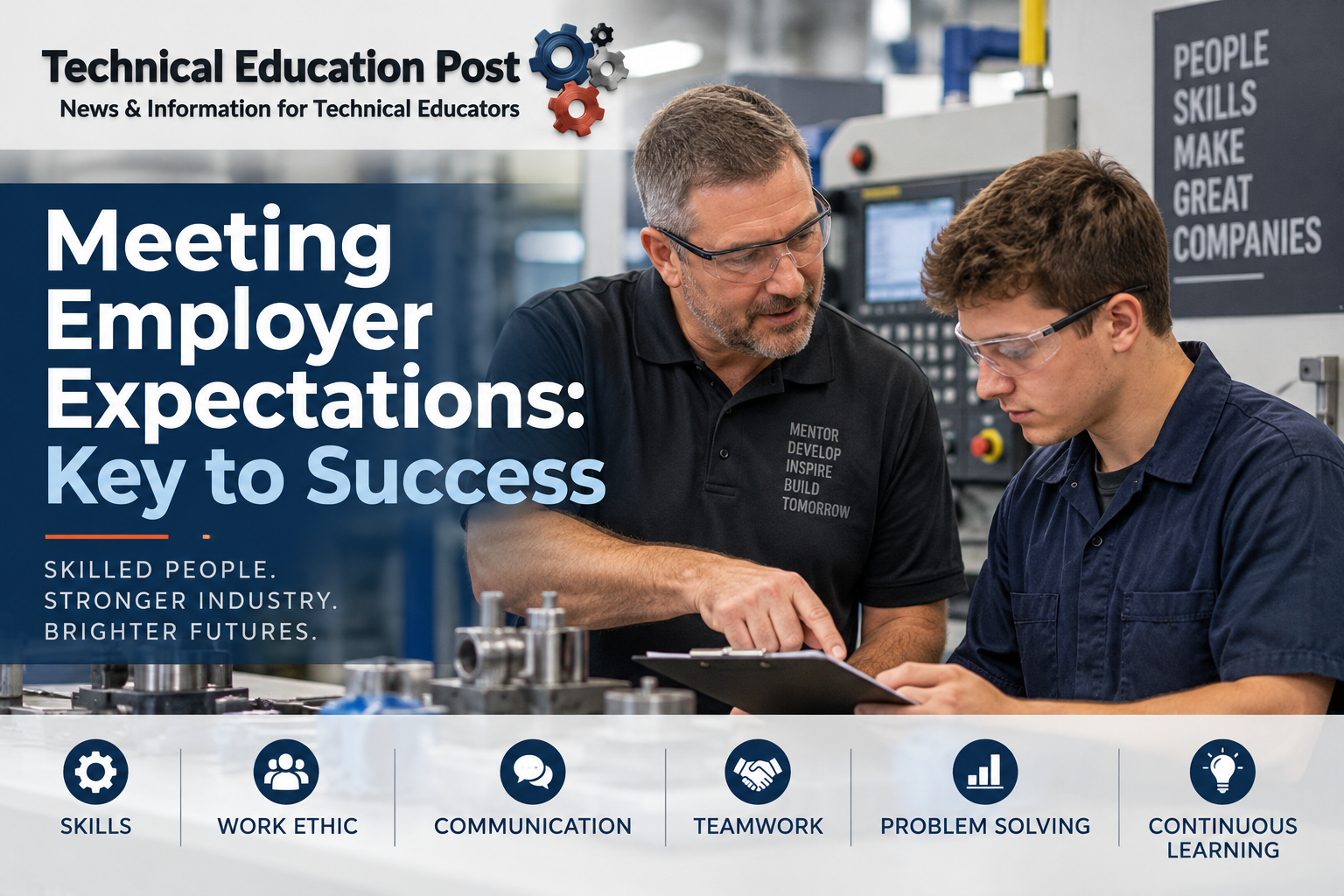
- Proactiveness and Initiative: Employers value employees who don’t just wait for instructions but identify potential problems, propose solutions, and take ownership of tasks without constant supervision. This is particularly critical in fast-paced manufacturing environments where bottlenecks can halt entire production lines.
- Teamwork and Collaboration: In almost any professional setting, the ability to work effectively with colleagues is essential. This involves clear communication, mutual respect, offering support, and contributing to a shared goal.
- Problem-Solving Skills: Beyond simply identifying an issue, employers expect employees to be resourceful in finding solutions. This might involve critical thinking, creative approaches, and a willingness to research and learn.
- Adaptability and Flexibility: Industries are constantly changing. Employees who can adapt to new technologies, processes, and challenges are highly valued. In manufacturing, this could mean learning new automation systems or adapting to shifting production demands.
- Professionalism and Work Ethic: This encompasses punctuality, reliability, a positive attitude, a commitment to quality, and maintaining professional demeanor in all interactions.
- Continuous Learning and Skill Development: The landscape of technology and industry best practices is always evolving. Employers expect employees to invest in their own growth, seeking out opportunities to learn new skills or deepen their existing expertise.
The Impact of Understanding Expectations
Failing to understand or meet expectations can lead to missed opportunities, performance reviews, and even job termination. Conversely, consistently meeting and exceeding them can unlock numerous benefits:
- Increased Job Security: Employees who are valuable assets to their company are less likely to be impacted during economic downturns or organizational restructuring.
- Career Advancement: Exceeding expectations often leads to promotions, increased responsibilities, and higher earning potential.
- Enhanced Reputation: A reputation for reliability, competence, and a strong work ethic precedes you, opening doors to new projects and leadership roles.
- Greater Job Satisfaction: When you understand what’s expected and successfully deliver, it fosters a sense of accomplishment and fulfillment.
Strategies for Effectively Meeting Employer Expectations

Meeting employer expectations is an ongoing process that requires conscious effort and strategic action. It’s about more than just doing your job; it’s about demonstrating a commitment to excellence and aligning your efforts with the organization’s objectives.
Proactive Communication and Clarification
The most common pitfall is assuming you understand a task or requirement. Ambiguity is the enemy of expectation fulfillment.
- Seek Clarity Upfront: When assigned a new task or project, don’t hesitate to ask clarifying questions. What are the specific objectives? What does success look like? What are the key deliverables and deadlines? Who are the stakeholders?
- Regular Check-ins: For larger projects, schedule regular check-ins with your supervisor or project manager. This allows you to provide updates, address any emerging challenges, and ensure you’re still on the right track. It also demonstrates your commitment to keeping them informed.
- Active Listening: During meetings and discussions, practice active listening. Paraphrase what you’ve heard to confirm your understanding and ask for clarification if anything is unclear.
- Manage Expectations: If you foresee any challenges that might impact your ability to meet a deadline or deliver a specific outcome, communicate this proactively. It’s far better to inform your supervisor early than to surprise them with a delay or failure.
Understanding employer expectations is crucial for job seekers aiming to succeed in today’s competitive job market. A related article that delves into the nuances of these expectations can be found in a recent piece on local news in Virginia. This article highlights various industries and their specific requirements, providing valuable insights for both employers and potential employees. For more information, you can read the article here.
Demonstrating Competence and Quality
Meeting expectations means delivering work that is not only completed but also done well.
- Master Your Core Skills: Continuously refine your understanding and application of the fundamental skills required for your role. For technicians, this might mean mastering diagnostic tools or understanding the intricacies of specific machinery. For manufacturing professionals, it could be deep knowledge of Lean manufacturing principles or quality control systems.
- Attention to Detail: In manufacturing, even small oversights can have significant consequences, from product defects to safety hazards. Cultivate a meticulous approach to your work, double-checking your efforts to ensure accuracy and completeness.
- Focus on Quality: Understand the quality standards your organization adheres to and strive to meet or exceed them. This might involve understanding Six Sigma methodologies or ISO certification requirements.
- Seek Feedback: Actively solicit feedback on your performance, both positive and constructive. Use this feedback to identify areas for improvement and demonstrate your willingness to grow.
Cultivating a Proactive and Problem-Solving Mindset
Employers don’t just want employees to follow instructions; they want individuals who can think critically and contribute to the organization’s success.
- Identify Potential Issues: Instead of waiting for problems to arise, try to anticipate them. In manufacturing, this could involve noticing recurring equipment issues, potential bottlenecks in the workflow, or areas where efficiency could be improved.
- Propose Solutions: When you identify an issue, don’t just report it; suggest potential solutions. This demonstrates initiative and a desire to contribute to the company’s problem-solving efforts.
- Take Ownership: When you’re assigned a task, take full ownership of its successful completion. This means seeing it through, even if unforeseen obstacles arise, and not passing the buck.
- Embrace Challenges: View challenges as opportunities to learn and grow. Approaching difficulties with a positive, problem-solving attitude can impress employers and enhance your own capabilities.
Professional Development and Continuous Learning
The commitment to growth is a key differentiator in today’s rapidly evolving professional landscape.
- Identify Skill Gaps: Regularly assess your skills against the current and future needs of your role and industry. Are there new technologies or methodologies you need to learn?
- Utilize Training Opportunities: Take advantage of any training programs, workshops, or online courses offered by your employer. Many educational platforms and professional organizations offer accessible and affordable learning opportunities.
- Stay Informed: Keep abreast of industry trends, emerging technologies, and best practices. Subscribe to relevant publications, follow industry leaders, and engage in professional networks.
- Seek Mentorship: Find experienced professionals whose careers you admire and ask them for guidance. A mentor can provide invaluable insights and support your professional development.
Exceeding Expectations: Going the Extra Mile
Meeting expectations is the baseline. Exceeding them is what truly sets you apart and accelerates your career. This involves consistently demonstrating value that goes beyond the defined scope of your role.
Anticipating Needs and Challenges
This is where true proactiveness shines. It’s about thinking ahead and addressing potential issues before they even surface.
- Proactive Problem Prevention: In manufacturing, this