

The Unseen Engine: How Soft Skills Drive Technical Excellence in Manufacturing
In the fast-paced world of modern manufacturing, where automation, AI, and advanced robotics are transforming production floors, it’s easy to overlook a critical component: the human element. While technical prowess remains paramount, an increasingly vital set of capabilities, often termed “soft skills,” are emerging as the true differentiators for individual success and organizational achievement. These are not merely “nice-to-haves”; they are the fundamental drivers of effective teamwork, problem-solving, innovation, and ultimately, operational excellence. For students embarking on their careers, seasoned educators, professionals seeking to upskill or pivot, and dedicated technicians and manufacturing leaders, understanding and cultivating these interpersonal and cognitive abilities is no longer optional—it’s essential. This article will delve into the multifaceted world of soft skills, illuminating their profound impact on the manufacturing landscape and providing actionable insights for mastering them.
In today’s competitive job market, the importance of soft skills cannot be overstated, as they play a crucial role in enhancing interpersonal relationships and fostering effective communication within teams. For a deeper understanding of how educational institutions are adapting to emphasize these essential skills, you can read a related article about the Anchorage School District’s significant investment in education at this link: Anchorage School District’s $15 Million Initiative. This initiative highlights the growing recognition of soft skills in shaping well-rounded students who are prepared for the workforce.
Understanding the Foundation: What Are Soft Skills and Why They Matter

Soft skills, in essence, are personal attributes that enable someone to interact effectively and harmoniously with other people. They are often contrasted with “hard skills,” which are specific, teachable abilities that can be defined and measured, such as operating a CNC machine, coding software, or performing statistical process control. While hard skills equip individuals with the technical “what” and “how” of their roles, soft skills provide the “how to” of working with others and navigating complex interpersonal dynamics. Think of hard skills as the gears and circuits of a machine, and soft skills as the lubrication, the intricate wiring for communication, and the intelligent control systems that allow everything to function smoothly and efficiently.
The Interplay of Hard and Soft Skills in Manufacturing
In manufacturing, the synergy between hard and soft skills is particularly pronounced. A brilliant engineer with exceptional technical design skills might struggle to implement their innovations if they cannot effectively communicate their vision to a production team, or collaborate with colleagues to troubleshoot unforeseen issues. Similarly, a highly skilled technician, capable of diagnosing and repairing complex machinery, will be more effective when they can clearly explain the problem to a supervisor, work collaboratively with other technicians, and proactively share insights to prevent future breakdowns.
The increasing complexity of manufacturing processes, the rise of cross-functional teams, and the imperative for continuous improvement all amplify the need for strong soft skills. Projects are rarely executed in isolation. They involve collaboration across departments, with suppliers, and sometimes even with customers. Problem-solving often requires diverse perspectives. Innovation thrives in environments where ideas can be freely exchanged and constructively debated. Without effective communication, active listening, empathy, and a collaborative spirit, even the most technically brilliant solutions can falter.
Quantifying the Impact: The Business Case for Soft Skills
While historically harder to measure, the business impact of well-developed soft skills is becoming increasingly evident. Companies that prioritize and foster these attributes often report higher employee engagement, reduced turnover, improved team performance, and greater innovation. For instance, a study by the National Association of Colleges and Employers (NACE) consistently identifies communication, teamwork, and problem-solving as among the top attributes employers seek in new hires, regardless of their technical major.
Furthermore, in a manufacturing context, strong soft skills can directly translate to reduced errors, improved safety records, and enhanced productivity. A technician who can clearly communicate a safety hazard, or a team leader who can foster a culture of open feedback, contributes to a safer and more efficient workplace. The ability to negotiate effectively with suppliers can lead to cost savings, while strong client communication can build lasting business relationships. The return on investment in developing soft skills, therefore, is substantial and far-reaching.
Essential Soft Skills for the Modern Manufacturing Professional

The spectrum of soft skills is broad, but certain competencies consistently emerge as critical for success in manufacturing. These are the abilities that enable individuals to not only perform their technical duties but also to excel in a dynamic, collaborative, and ever-evolving industry.
Communication: The Bedrock of Collaboration
Effective communication is the cornerstone of all successful interactions. In manufacturing, it encompasses a wide range of abilities:
- Verbal Communication: This involves speaking clearly and concisely, articulating ideas effectively, and tailoring the message to the audience. For a technician explaining a machine malfunction to a supervisor, clarity and precision are vital. For a team leader presenting a new process to their team, inspiration and understanding are key.
- Written Communication: This includes crafting clear emails, well-structured reports, precise work instructions, and accurate documentation. The ability to convey complex technical information in an understandable written format is crucial for knowledge transfer and record-keeping.
- Active Listening: This is the ability to fully concentrate, understand, respond, and remember what is being said. It’s more than just hearing; it’s about engaging with the speaker, asking clarifying questions, and demonstrating comprehension. In a manufacturing setting, active listening can prevent misunderstandings that lead to errors or safety incidents.
- Non-Verbal Communication: Understanding and utilizing body language, tone of voice, and eye contact can significantly impact how messages are received. A confident posture can convey competence, while attentive body language signals engagement.
Teamwork and Collaboration: Building Synergy on the Floor
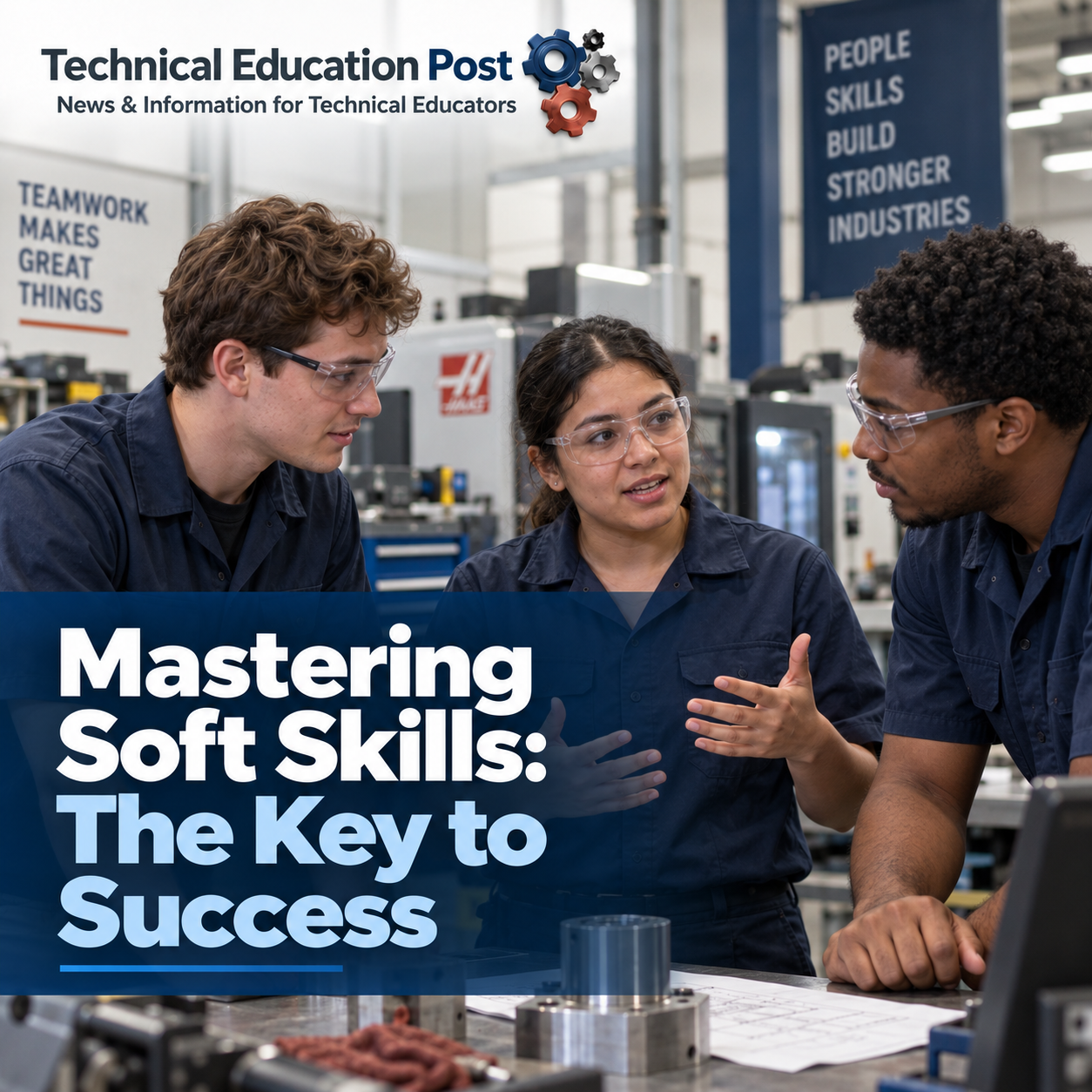
Manufacturing is fundamentally a team sport. Successful operations rely on individuals working together towards common goals.
- Collaboration: This is the ability to work cooperatively with others, sharing ideas, responsibilities, and resources to achieve a collective outcome. It means valuing diverse perspectives and contributing to a shared vision.
- Conflict Resolution: Disagreements are inevitable, especially in high-pressure environments. The ability to address and resolve conflicts constructively, focusing on solutions rather than blame, is vital for maintaining positive working relationships and team cohesion.
- Respect and Empathy: Understanding and appreciating the perspectives, challenges, and contributions of colleagues is fundamental. Empathy allows for better interpersonal connections and fosters a supportive work environment where everyone feels valued.
Problem-Solving and Critical Thinking: Navigating Challenges
The manufacturing floor is a constant environment for identifying and solving problems, from minor operational hiccups to complex systemic issues.
- Analytical Skills: This involves breaking down complex problems into smaller, manageable parts, identifying root causes, and evaluating potential solutions based on data and logic.
- Critical Thinking: This is the objective analysis and evaluation of an issue in order to form a judgment. It involves questioning assumptions, considering evidence, and avoiding biases.
- Creativity and Innovation: The ability to think outside the box, propose novel solutions, and adapt to new challenges is essential for continuous improvement and staying competitive.
Adaptability and Flexibility: Thriving in Change
The manufacturing sector is in a constant state of evolution, driven by technological advancements, market shifts, and evolving customer demands.
- Openness to Change: Embracing new technologies, processes, and methodologies is crucial. Resistance to change can lead to stagnation and falling behind.
- Resilience: The capacity to bounce back from setbacks, learn from mistakes, and maintain a positive outlook in the face of adversity is invaluable.
- Continuous Learning: A commitment to ongoing skill development, both technical and soft, is paramount. This includes actively seeking out new knowledge and opportunities for growth.
Leadership and Influence: Guiding and Inspiring Others
Even without a formal title, individuals can exhibit leadership qualities that positively influence their teams and organizations.
- Initiative: Taking ownership of tasks, proactively identifying needs, and acting without constant supervision.
- Responsibility and Accountability: Owning one’s actions and outcomes, and being accountable for commitments made.
- Mentorship and Coaching: Sharing knowledge, guiding less experienced colleagues, and fostering their development.
Cultivating Your Soft Skills: A Practical Roadmap
Developing soft skills is not a passive process; it requires intentional effort and consistent practice. Fortunately, numerous avenues exist for individuals at all stages of their careers to enhance these crucial attributes.
Self-Assessment and Goal Setting
The first step is honest self-evaluation. What are your perceived strengths and weaknesses in areas like communication, teamwork, or problem-solving? Seek feedback from trusted colleagues, mentors, or supervisors. Once you have a clearer understanding of your development areas, set specific, measurable, achievable, relevant, and time-bound (SMART) goals. For example, instead of “improve communication,” a SMART goal might be “practice active listening in every team meeting for the next month by summarizing at least one colleague’s point before responding.”
Learning and Development Opportunities
- Formal Training: Many organizations offer workshops and courses on soft skills. These can cover topics like effective communication, conflict resolution, leadership, and time management. Universities and community colleges also offer relevant courses, often as part of degree programs or continuing education.
- Online Resources: A wealth of free and paid online courses, webinars, and tutorials are available on platforms like Coursera, LinkedIn Learning, edX, and YouTube. These can provide in-depth knowledge and practical strategies for developing specific soft skills.
- Reading and Self-Study: Books, articles, and research papers on psychology, communication, leadership, and organizational behavior can offer valuable insights. Dedicate time to reading and reflecting on the material.
Practical Application and Experiential Learning
The most effective way to develop soft skills is through consistent practice in real-world scenarios.
- Seek Opportunities: Volunteer for projects that require collaboration, public speaking, or problem-solving. Offer to lead a small team or mentor a junior colleague.
- Embrace Feedback: Actively solicit constructive criticism after presentations, team interactions, or project contributions. View feedback not as personal judgment but as valuable data for improvement.
- Observe and Learn: Pay attention to individuals you admire for their soft skills. How do they communicate? How do they handle challenging situations? What can you learn from their approach?
- Role-Playing and Simulations: In a training context, role-playing exercises can simulate challenging interpersonal scenarios, allowing participants to practice their responses in a safe environment.
Mentorship and Networking
- Find a Mentor: A mentor can provide guidance, support, and constructive feedback on your soft skill development. They can share their experiences and offer insights into navigating workplace dynamics.
- Build Your Network: Engaging with a diverse range of people through professional organizations, industry events, and online forums broadens your perspectives and provides opportunities to practice interpersonal skills.
In today’s rapidly evolving job market, the importance of soft skills cannot be overstated, as they play a crucial role in enhancing communication and collaboration among team members. For instance, a recent article highlights how UTEP student teachers are adapting to the challenges of online education, emphasizing the need for effective interpersonal skills in virtual classrooms. You can read more about this transition and its implications for teaching by visiting the article here: UTEP Student Teachers Help with Switch to Online Education. This example illustrates how soft skills are essential not only in traditional settings but also in new and innovative environments.
Real-World Manufacturing Applications: Where Soft Skills Shine
The impact of soft skills is evident across the entire manufacturing value chain, from the design phase to the shop floor and beyond.
Design and Engineering: Fostering Innovation Through Collaboration
In product development, engineers and designers must collaborate extensively. This involves:
- Clear Communication of Concepts: Translating complex technical designs into understandable terms for manufacturing teams, marketing, and sales.
- Cross-Functional Teamwork: Working seamlessly with production engineers, quality control, and supply chain professionals to ensure designs are manufacturable, cost-effective, and meet market needs.
- Creative Problem-Solving: Addressing design challenges and potential manufacturing roadblocks through collaborative brainstorming and critical analysis.
Example: A team designing a new automotive component might face challenges integrating a new sensor. Effective communication between the electrical engineers who designed the sensor and the mechanical engineers who need to house it is critical. Active listening to concerns about space constraints and material compatibility, coupled with creative problem-solving, ensures a successful integration that avoids costly redesigns.
Production and Operations: Optimizing Efficiency and Safety
On the manufacturing floor, soft skills are directly linked to operational efficiency, safety, and team morale.
- Team Leadership: Supervisors and team leaders need to motivate their teams, delegate tasks effectively, provide clear instructions, and resolve interpersonal conflicts.
- Process Improvement: Technicians and operators who can communicate observations about inefficiencies, suggest improvements, and collaborate on implementing new procedures are invaluable for continuous improvement.
- Safety Culture: Fostering a culture where every individual feels empowered to speak up about safety concerns, without fear of reprisal, is paramount. This requires open communication and a commitment to listening and acting on safety feedback.
Example: A production line experiences frequent minor stoppages due to jams in a packaging machine. A technician who actively listens to the operators’ feedback, collaboratively analyzes the issue (perhaps with a process engineer), and then clearly communicates a proposed adjustment (e.g., a slight change in conveyor belt speed or a new sensor placement) can significantly reduce downtime.
Quality Control and Assurance: Ensuring Precision Through Diligence
Maintaining high-quality standards requires meticulous attention to detail and effective collaboration.
- Precise Documentation: Quality technicians must accurately document inspection results, non-conformances, and corrective actions.
- Effective Reporting: Clearly communicating quality issues and their potential impact to production teams and management.
- Root Cause Analysis: Collaborating with other departments to investigate the underlying causes of quality defects and implement lasting solutions.
Example: A batch of manufactured parts fails a critical quality inspection. The quality assurance team must not only identify the defect but also communicate the findings effectively to the production team, explaining the technical nature of the failure and collaborating on a root cause analysis that might involve interviewing operators, reviewing production logs, and examining machine settings.
Supply Chain Management: Building Strong Partnerships
Effective relationships with suppliers and distributors are crucial for a smooth and cost-effective supply chain.
- Negotiation Skills: Securing favorable terms and pricing from suppliers.
- Relationship Building: Maintaining strong, collaborative relationships with suppliers to ensure timely delivery and consistent quality.
- Problem-Solving: Addressing supply chain disruptions, such as material shortages or transportation delays, through effective communication and collaborative solutions.
Example: A manufacturer faces a sudden shortage of a key raw material. The supply chain manager needs to effectively communicate the urgency of the situation to existing suppliers, potentially negotiate expedited shipping terms, and perhaps even collaborate with alternative suppliers to find immediate solutions.
In today’s fast-paced work environment, the importance of soft skills cannot be overstated, as they play a crucial role in enhancing teamwork and communication. A related article that delves into the intersection of technology and collaboration is available at TechEd Magazine, which explores how advanced manufacturing techniques are revolutionizing industries like Formula 1 racing. This piece highlights the need for effective interpersonal skills alongside technical expertise, emphasizing that success in any field often hinges on the ability to work well with others.
Career Implications and Future-Proofing Your Skills
The emphasis on soft skills is not a passing trend; it’s a fundamental shift in how individuals are valued and advance in the modern workplace, particularly in technical fields like manufacturing.
Advancement Opportunities
For technicians and entry-level professionals, developing strong soft skills can be a powerful catalyst for career progression. Individuals who communicate effectively, collaborate well, and demonstrate initiative are often identified for leadership roles, project management opportunities, and specialized training. The ability to mentor junior colleagues, lead small teams, or contribute to cross-functional improvement initiatives can set you apart from peers with similar technical qualifications.
Career Change and Upskilling
For those considering a career change into manufacturing, or looking to upskill within the industry, soft skills are often transferable. An individual transitioning from a customer service role, for example, already possesses strong communication and problem-solving abilities that can be readily applied to production floor interactions or client-facing roles within the manufacturing sector. Conversely, experienced technical professionals looking to move into management or training roles will find their existing hard skills complemented by well-honed interpersonal and leadership capabilities.
The Future of Manufacturing: Automation and Human Ingenuity
As automation and artificial intelligence continue to integrate into manufacturing processes, the demand for uniquely human skills will only increase. While robots can perform repetitive tasks with precision and efficiency, they cannot replicate human creativity, critical thinking, empathy, or the ability to build rapport and foster trust. The future of manufacturing will likely involve a symbiotic relationship between humans and machines, where individuals with strong soft skills are essential for managing, optimizing, and innovating within increasingly sophisticated automated environments. Those who invest in developing these skills will be better positioned to navigate the evolving landscape and seize emerging opportunities.
Conclusion: The Enduring Power of Human Connection in a Technical World
In the intricate and ever-evolving landscape of modern manufacturing, technical expertise remains the bedrock. However, the true architects of success, the drivers of innovation, and the linchpins of efficient operations are increasingly those who have mastered the art of human interaction. Soft skills—communication, teamwork, problem-solving, adaptability, and leadership—are not mere supplementary abilities; they are the unseen engines that power technical excellence. For students, educators, technicians, and manufacturing professionals alike, a conscious and continuous commitment to cultivating these interpersonal and cognitive competencies is not just an advantage—it is a fundamental requirement for thriving and leading in the industries of today and tomorrow. By embracing these skills, we ensure that our technical advancements are guided by human ingenuity, collaborative spirit, and a shared vision for a more productive, innovative, and sustainable manufacturing future.