
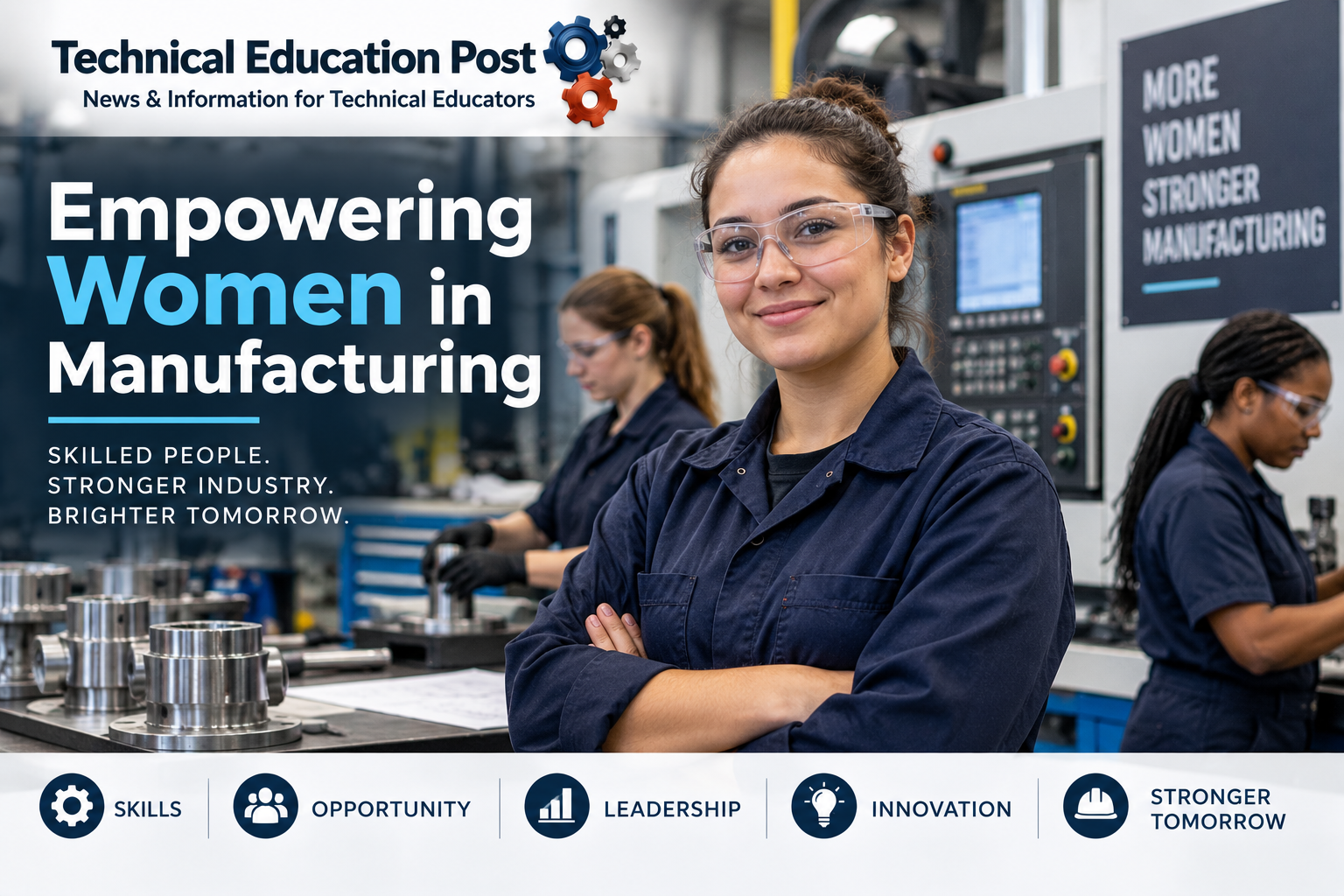

The manufacturing sector, long a bedrock of economies and innovation, is undergoing a profound transformation. As automation, data analytics, and advanced materials reshape factories, so too must the workforce adapt. Amidst this evolution, a critical conversation is gaining momentum: empowering women in manufacturing. This article delves into the multifaceted landscape of women’s participation in this vital industry, exploring its current state, the challenges and opportunities, and the strategies for building a more inclusive and robust future for all.
The Current Landscape of Women in Manufacturing
Historically, manufacturing has been perceived as a male-dominated field, often characterized by physically demanding labor and a lack of visible female role models. While this perception is slowly changing, data reveals a persistent gender gap. In the U.S., women constitute only about 29% of the manufacturing workforce, a figure that has seen minimal growth over the past few decades. This disparity is even more pronounced in certain skilled trades and engineering roles. However, this underrepresentation does not reflect a lack of capability or interest; rather, it points to systemic barriers and a need for targeted initiatives. The demographic shifts within the broader U.S. workforce, with a growing proportion of women entering and advancing in various professions, highlight the significant untapped potential that exists within manufacturing. Industries are increasingly recognizing that a diverse workforce brings a wider range of perspectives, problem-solving approaches, and innovative ideas, ultimately leading to greater business success. The narrative of manufacturing is evolving from one of strenuous manual labor to one of sophisticated technology, intricate process management, and creative problem-solving – fields where women have consistently demonstrated their prowess.
Historical Perceptions and Their Impact
The image of the assembly line worker, predominantly male, has been deeply ingrained in the public consciousness. This historical framing has influenced career counseling, educational pathways, and even workplace culture. Early industrialization often segregated roles, with women typically relegated to less skilled or lower-paying positions. While wartime efforts during periods like World War II saw a surge in women entering traditionally male roles, this was often viewed as a temporary necessity rather than a permanent shift. The lingering stereotypes associated with these historical divisions continue to subtly steer young women away from manufacturing careers and can create unconscious biases within hiring and promotion processes. Breaking down these long-held perceptions requires a concerted effort to showcase the diverse opportunities available today, from advanced robotics and artificial intelligence to sustainable manufacturing and supply chain logistics.
Statistics and Trends
While the overall percentage of women in manufacturing has stagnated, there are glimmers of positive trends. In some advanced manufacturing sectors, particularly those focused on high-tech applications like aerospace, pharmaceuticals, and advanced materials, the representation of women is higher and growing. Furthermore, as the industry grapples with a looming skilled labor shortage – projected to leave hundreds of thousands of jobs unfilled in the coming years – the necessity of attracting and retaining a diverse talent pool becomes paramount. This shortage acts as a powerful catalyst for change, pushing companies to actively seek out and cultivate talent from all segments of the population, including women. Organizations like the National Association of Manufacturers (NAM) and various industry-specific associations are actively tracking these trends and advocating for policies and programs to address the gender gap.
Women in Manufacturing is a vital topic that highlights the increasing presence and contributions of women in the manufacturing sector. For those interested in exploring related themes, the article on technical education and career opportunities for women can be found at this link. It discusses how programs aimed at encouraging young women to pursue careers in technical fields are essential for fostering diversity and innovation in manufacturing.
Overcoming Barriers and Fostering Inclusion

The underrepresentation of women in manufacturing is not due to a lack of talent, but rather a complex interplay of societal expectations, workplace culture, and structural impediments. Addressing these barriers is crucial for unlocking the full potential of the manufacturing sector. Creating an inclusive environment is not just about fairness; it’s a strategic imperative for innovation and competitiveness.
Societal Stereotypes and Educational Pathways
From an early age, subtle messaging often directs girls towards careers deemed “feminine,” while boys are encouraged towards STEM fields. This can manifest in toy choices, media portrayals, and even parental guidance. In educational settings, this can translate into fewer girls opting for science, technology, engineering, and mathematics (STEM) courses, particularly those that lead directly to manufacturing-related disciplines. Bridging this gap requires early intervention through STEM education programs that explicitly target girls, showcasing relatable role models, and highlighting the exciting, creative, and problem-solving aspects of manufacturing. Industry partnerships with schools, mentorship programs, and hands-on workshops can demystify manufacturing and inspire the next generation of female engineers, technicians, and leaders.
Workplace Culture and Bias
Even when women enter the manufacturing workforce, they can encounter subtle or overt biases. This can include being overlooked for promotions, facing assumptions about their technical abilities, or experiencing a lack of adequate support systems. A workplace culture that is not intentionally inclusive can lead to feelings of isolation, hindering retention and career progression. Addressing this requires proactive measures such as unconscious bias training for all employees, establishing mentorship and sponsorship programs specifically for women, and ensuring that leadership actively promotes a culture of respect and equal opportunity. Creating employee resource groups (ERGs) for women can also provide a vital support network and a platform for their voices to be heard.
Work-Life Balance and Family Support
The demanding nature of some manufacturing roles, coupled with traditional expectations around caregiving responsibilities, can pose significant challenges for women seeking to balance their careers and family lives. The lack of flexible work arrangements, affordable childcare, and supportive parental leave policies can disproportionately impact women’s ability to advance or even remain in the industry. Companies that offer flexible scheduling, remote work options where feasible, comprehensive parental leave, and on-site or subsidized childcare are better positioned to attract and retain female talent. Recognizing the diverse needs of their workforce and adapting policies accordingly is essential for fostering long-term commitment.
Strategies for Empowerment and Advancement

Empowering women in manufacturing requires a multi-pronged approach that addresses systemic issues while also providing targeted support and opportunities. This involves initiatives that span education, recruitment, retention, and leadership development.
Recruitment and Retention Initiatives
Attracting women to manufacturing jobs necessitates a conscious effort to present the industry in a more appealing light. This includes:
- Targeted Outreach: Partnering with women’s professional organizations, attending career fairs focused on diverse talent, and actively recruiting at women’s colleges and universities can broaden the applicant pool.
- Inclusive Job Descriptions: Reviewing job postings to ensure they are free of gendered language and focus on skills and competencies rather than perceived physical requirements can attract a wider range of candidates.
- Apprenticeship and Internship Programs: These programs provide valuable hands-on experience and a clear pathway into the industry, offering a low-barrier entry point for individuals of all backgrounds.
- Return-to-Work Programs: For women who have taken career breaks, particularly for family reasons, structured return-to-work programs can facilitate their reintegration into the manufacturing workforce.
Retention strategies are equally critical. Beyond competitive compensation and benefits, companies should focus on:
- Mentorship and Sponsorship: Pairing women with experienced mentors and sponsors can provide guidance, advocacy, and opportunities for career advancement.
- Employee Resource Groups (ERGs): Women’s ERGs can foster a sense of community, provide networking opportunities, and serve as a valuable feedback channel to management.
- Professional Development: Offering access to continuous learning, skills training, and leadership development programs ensures that women have the opportunities to grow within their careers.
Education and Skills Development
Investing in education and skills development is fundamental to empowering women and addressing the manufacturing skills gap. This involves:
- STEM Education in Schools: Supporting programs that introduce girls to STEM concepts from an early age, making learning engaging and relevant to real-world applications.
- Vocational Training and Certifications: Providing accessible pathways to vocational training and industry-recognized certifications in areas like advanced manufacturing, mechatronics, and industrial automation.
- Upskilling and Reskilling: For existing manufacturing employees, offering opportunities to upskill or reskill in emerging technologies ensures they remain competitive and can transition into higher-demand roles.
- Partnerships with Educational Institutions: Collaborating with community colleges and universities to develop curricula that align with industry needs and create direct hiring pipelines.
Leadership Development and Mentorship
Cultivating women leaders within manufacturing is essential for creating role models and driving organizational change. This requires:
- Identifying High-Potential Employees: Proactively identifying women with leadership potential and providing them with tailored development opportunities.
- Leadership Training Programs: Offering specialized training in areas such as strategic thinking, financial acumen, team management, and public speaking.
- Executive Coaching: Providing individual coaching to help women navigate career challenges and develop their leadership style.
- Sponsorship at the Highest Levels: Ensuring that senior leaders actively champion and advocate for the advancement of women within the organization.
Real-World Impact and Career Opportunities
The integration of women into the manufacturing sector is not merely a matter of diversity metrics; it yields tangible benefits for businesses and individuals alike, opening up a spectrum of fulfilling and lucrative career paths.
Economic Benefits and Innovation
Companies that embrace diversity and inclusion often report higher profitability, improved innovation, and better decision-making. A 2020 McKinsey report found that companies in the top quartile for gender diversity on executive teams were 25% more likely to have above-average profitability than companies in the fourth quartile. This is attributed to a wider range of perspectives, enhanced creativity, and a more nuanced understanding of diverse customer bases. For instance, in the automotive sector, women’s insights can be crucial in designing vehicles that appeal to a broader market, influencing everything from interior ergonomics to user interface design. In the pharmaceutical industry, diverse teams can bring varied lived experiences to the development of new treatments, ensuring they are effective and accessible to all patient populations.
Diverse Career Paths in Modern Manufacturing
The notion of manufacturing as solely manual labor is outdated. Today’s manufacturing landscape offers a vast array of roles requiring diverse skill sets:
- Advanced Manufacturing Technicians: Operating and maintaining sophisticated machinery, including 3D printers, CNC machines, and robotic systems.
- Process Engineers: Designing, optimizing, and troubleshooting manufacturing processes to improve efficiency, quality, and safety.
- Quality Control Specialists: Ensuring products meet rigorous standards through inspection, testing, and data analysis.
- Supply Chain and Logistics Managers: Overseeing the complex flow of materials and finished goods, requiring strong analytical and organizational skills.
- Data Scientists and Analysts: Leveraging big data to improve production, predict maintenance needs, and drive business intelligence.
- Product Designers and R&D Specialists: Innovating new products and materials, blending creativity with technical expertise.
- Automation and Robotics Engineers: Designing, implementing, and managing automated systems that enhance productivity and safety.
- Sustainability Specialists: Developing and implementing environmentally friendly manufacturing practices.
These roles often require a combination of technical knowledge, problem-solving abilities, and strong communication skills, making them attractive to individuals from a wide range of academic and professional backgrounds.
Case Studies and Success Stories
Numerous women are already making significant contributions to manufacturing. From leading global operations to pioneering new technologies, their stories serve as powerful inspiration. For example, companies like Rockwell Automation and General Electric have implemented robust programs to recruit, develop, and promote women, showcasing tangible results in workforce diversity and business performance. Highlighting these success stories through industry awards, public speaking engagements, and internal communications can inspire others and demonstrate the tangible benefits of gender diversity. These narratives help to shift perceptions and illustrate that manufacturing is a dynamic and rewarding field for everyone.
Women in Manufacturing continues to gain momentum as more initiatives are launched to support female professionals in the industry. A related article discusses the importance of design principles in middle grades career and technical education, emphasizing how early exposure to manufacturing concepts can inspire the next generation of women leaders. For more insights on this topic, you can read the article here: design principles for middle grades CTE. This connection highlights the critical role education plays in shaping a diverse workforce in manufacturing.
The Future of Women in Manufacturing
The trajectory of women’s involvement in manufacturing is not predetermined; it is being actively shaped by current efforts and future commitments. A future where women are fully integrated and empowered in manufacturing promises a more innovative, resilient, and prosperous industry.
Technological Advancements and Evolving Roles
As manufacturing continues its rapid embrace of Industry 4.0 technologies – including the Internet of Things (IoT), artificial intelligence (AI), and advanced robotics – the nature of jobs will continue to evolve. These advancements are increasingly data-driven and require strong analytical, problem-solving, and critical thinking skills. This shift away from purely physical labor opens up new avenues for women, whose strengths in these areas are well-recognized. The demand for skilled professionals to design, implement, and manage these advanced systems will only grow, presenting significant career opportunities. Furthermore, the increasing focus on human-machine collaboration means that roles will emphasize the unique human capabilities of creativity, adaptability, and complex problem-solving, areas where women excel.
Policy and Industry Collaboration
Sustained progress requires ongoing collaboration between government, industry, and educational institutions. Policies that support STEM education, offer incentives for companies to invest in diversity and inclusion programs, and address issues like affordable childcare and flexible work arrangements will be crucial. Industry-led initiatives, such as workforce development programs, mentorship networks, and advocacy for gender equity, play a vital role in driving tangible change. Organizations like the Manufacturing USA institutes are increasingly focusing on talent development and ensuring that the future manufacturing workforce is diverse and skilled.
A More Inclusive and Innovative Industry
The ultimate goal is a manufacturing sector where talent is recognized and nurtured regardless of gender. This vision is not just about achieving gender parity; it’s about building a stronger, more adaptable, and more innovative industry that benefits from the full spectrum of human talent. By actively dismantling barriers, promoting inclusive cultures, and providing equitable opportunities, manufacturing can attract and retain the best minds, ensuring its continued growth and relevance in the global economy. The empowerment of women in manufacturing is a critical component of building a future where innovation thrives, economic prosperity is shared, and the industry itself is more robust and representative of the society it serves. This journey requires continuous effort, commitment, and a shared understanding that true progress lies in harnessing the potential of every individual.
In conclusion, empowering women in manufacturing is not merely a social imperative; it is a strategic necessity for the industry’s future growth and competitiveness. By understanding the historical context, addressing current barriers, implementing targeted strategies for recruitment, retention, and leadership development, and highlighting the vast career opportunities available, the manufacturing sector can unlock its full potential. The ongoing technological evolution further underscores the importance of a diverse workforce equipped with the skills to navigate and innovate within this dynamic field. The journey towards full inclusion is ongoing, requiring persistent effort and collaboration, but the rewards – a more innovative, productive, and equitable manufacturing industry – are substantial for individuals and society as a whole.