

The Evolving Landscape of Work: Adapting to the Future of Jobs
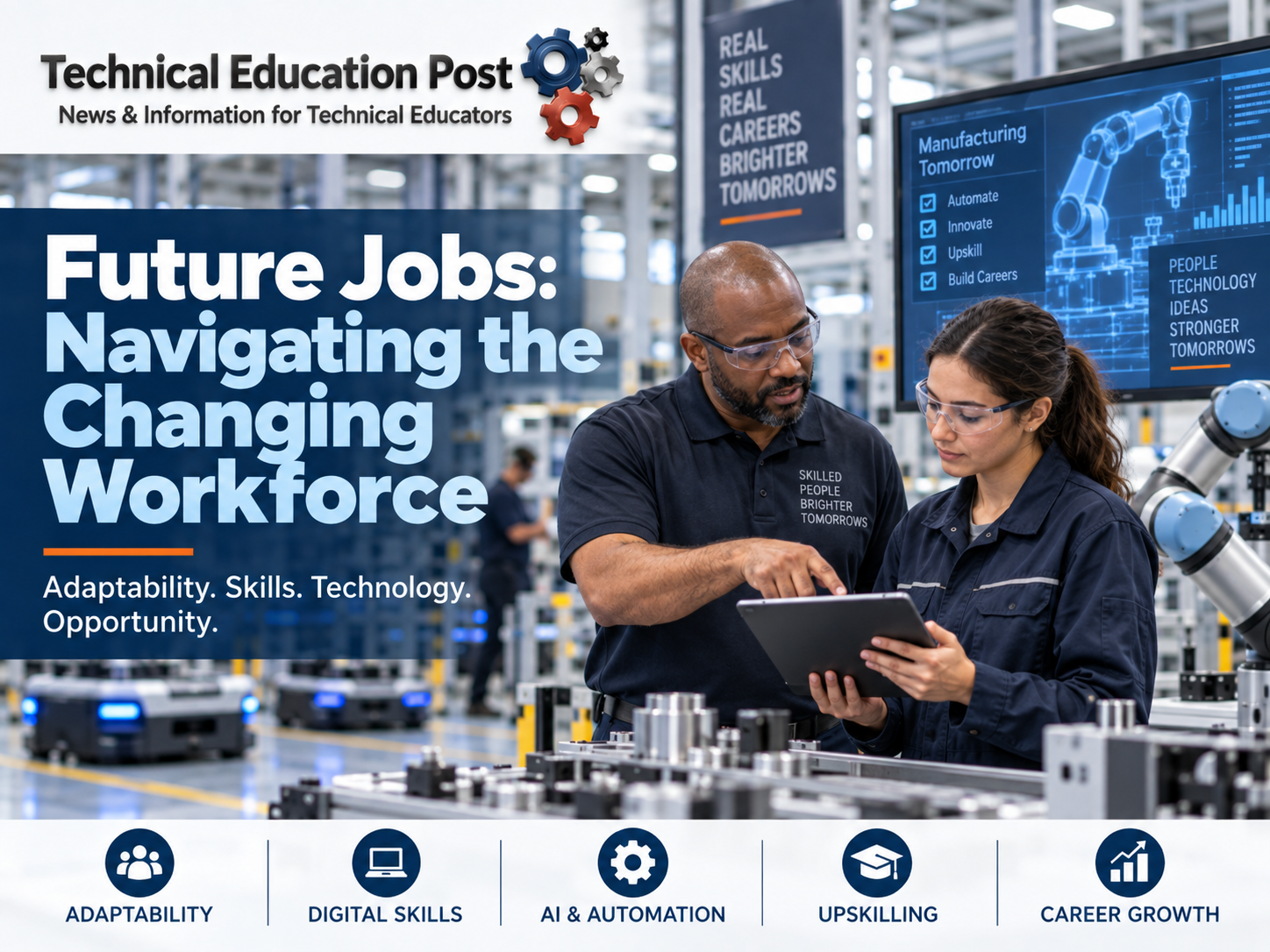
The world of work is in constant flux, driven by technological innovation, shifting economic forces, and evolving societal needs. For students charting their educational paths, educators guiding the next generation, career changers seeking new opportunities, technicians maintaining critical infrastructure, and seasoned manufacturing professionals adapting to industry advancements, understanding these changes is paramount. This article delves into the dynamic nature of the workforce, exploring the forces shaping it, the skills in demand, and strategies for navigating this evolving landscape to secure fulfilling and prosperous futures.
In exploring the future of jobs in the energy sector, it’s insightful to consider the recent developments highlighted in the article about the Energy Class Prize winners. This piece showcases innovative projects that not only aim to revolutionize energy efficiency but also create new employment opportunities in the green technology field. For more information on these groundbreaking initiatives and their potential impact on future job markets, you can read the article here: Energy Class Prize Winners.
Understanding the Drivers of Workforce Transformation

The modern workforce is not a static entity; it’s a living ecosystem continuously reshaped by powerful forces. Recognizing these drivers is the first step towards proactively adapting to the future of jobs.
Technological Advancements: Automation, AI, and Digitalization
At the forefront of workforce transformation is rapid technological advancement. Automation, once confined to repetitive tasks on assembly lines, has expanded its reach with the advent of sophisticated robotics and intelligent systems. Artificial Intelligence (AI), a field encompassing machine learning, natural language processing, and computer vision, is increasingly integrated into business processes, from customer service to complex data analysis. Digitalization, the conversion of information into a digital format, has fundamentally altered how businesses operate, communicate, and innovate, creating new demands for digital literacy and expertise across all sectors.
Globalization and the Interconnected Economy
The interconnectedness of the global economy means that trends and disruptions in one region can have ripple effects worldwide. This globalization influences labor markets by creating both opportunities for specialized roles and increased competition for others. Companies can access talent globally, and products and services are developed and delivered across borders. This necessitates a workforce capable of collaborating across cultures and understanding international market dynamics.
Shifting Demographics and Generational Expectations
Demographic shifts, such as an aging population in many developed nations and the increasing participation of younger generations in the workforce, bring about changes in labor supply and demand, as well as evolving expectations regarding work-life balance, company culture, and career progression. The rise of the gig economy and the desire for more flexible work arrangements are also significant factors influenced by these demographic trends.
Evolving Business Models and Industry Disruptions
Traditional business models are being challenged and reshaped by agile startups and innovative disruptors. The “as-a-service” economy, platform-based businesses, and the circular economy are examples of new paradigms that demand different skill sets and organizational structures. Industries once considered stable may undergo rapid transformation, requiring professionals to be adaptable and open to continuous learning.
Emerging Skill Sets for the Future Workforce

As the nature of work changes, so too do the skills that are most valued by employers. A blend of technical proficiency, human-centric abilities, and adaptive mindsets will be crucial for success.
As the landscape of employment continues to evolve, understanding the importance of workforce training becomes crucial for future job seekers. A recent article highlights how Maine is investing in career and technical education to better prepare students for the demands of the job market. This initiative not only aims to equip individuals with essential skills but also addresses the growing need for a skilled workforce. For more insights on this topic, you can read the full article on the investments in workforce training in Maine here.
Technical Skills in High Demand
The digital revolution has placed a premium on a range of technical competencies. Data science and analytics are critical, as organizations seek to extract insights from vast amounts of data to inform decision-making. This includes skills in statistical modeling, data visualization, and proficiency with tools like Python and R. Cybersecurity is no longer a niche IT function but a core business concern, with a growing need for professionals who can protect digital assets from threats. Cloud computing expertise, encompassing knowledge of platforms like AWS, Azure, and Google Cloud, is essential as businesses migrate their infrastructure and services online.
Furthermore, proficiency in artificial intelligence and machine learning is becoming increasingly important. This involves understanding algorithms, developing AI models, and applying them to solve real-world problems